
Research Overview
EUROMUSE: Transforming Museum Experiences with Original Applied Music
In line with the project aims, the research design developed by the Center for Applied Music (CAM) is grounded in an empirical scientific process that examines the effects of different sounds and music on museum audiences.
EUROMUSE is a Creative Europe Cooperation Project
Evidence-Based Applied Music for Museums
The EUROMUSE research study explored the effects of original applied museum music — Synomusic — on visitors’ experiences by comparing museum conditions with and without music. The study also examined the experiences of key stakeholders involved in the project process, including Community Muse Board (CMB) members, composers, curators and visitors from different audience groups.
Designed as an exploratory, multidisciplinary study, the research integrated perspectives from psychology, ethnomusicology, sociology, audience development, museum studies, accessibility studies and other socio-humanistic disciplines. In this way, it contributed to a broader understanding of how music can become a meaningful part of museum interpretation, exhibition design and audience engagement.
As the project was implemented in three different museum contexts across Europe, the study also explored cultural diversity, contextual differences and shared patterns in the experience of museum exhibitions. The research aimed to identify both context-specific and cross-cultural effects of Synomusic on visitor experience.
The research included museum visitors, curators, composers, Community Muse Board members and visually impaired participants. Particular attention was given to accessibility, multisensory engagement and the role of sound in supporting a more inclusive museum experience.
Research activities were conducted by the CAM research team in cooperation with partner museums and associated academic contributors.
Method
Given the complexity of the research aims — namely, exploring the emotional, cognitive, sensory and interpretative effects of introducing an original musical layer into museum exhibitions — a mixed-methods research design was developed.
The research included the following quantitative and qualitative components:
1. Visitor surveys conducted in each museum to capture emotional and aesthetic experiences, attitudes toward museum visits, perceived atmosphere, interpretation, attention and overall visitor experience. Silent and music conditions were applied across the participating museums. A total of 1,337 museum visitors took part in the survey research, including 474 parents of children at Museo dei Bambini in Rome.
2. Cognitive testing was conducted with 45 children aged 3 to 15 at Museo dei Bambini in Rome. The testing explored attention and cognitive engagement under different auditory conditions.
3. Observation and monitoring of visitor experience, including attention to visitor behaviour, visitor flow, perceived atmosphere and contextual conditions in each museum environment.
4. Semi-structured individual interviews with 4 museum curators and 6 composers, exploring creative decision-making, institutional perspectives, curatorial interpretation and the process of creating museum-specific music compositions.
5. Community Muse Board activities, involving 32 dedicated museum visitors who participated in discussions, diary writing, and feedback processes. Their input helped capture audience perspectives on the development of the compositions and the participatory dynamics of the project.
6. Interviews with blind and visually impaired participants, involving 23 participants, with the aim of better understanding accessibility, orientation, multisensory engagement and the potential role of music in supporting a more coherent museum experience.
7. Diary notes and reflective materials, where selected CMB members documented their experiences in the museums from the initial to the final phase of the project.
This mixed-methods approach enabled EUROMUSE to examine not only whether music influences visitors, but how music works within specific museum environments, visitor groups and cultural contexts.
Ethical Note
All participants provided informed consent and were fully informed about the goals of the study. They gave permission for their anonymised data to be analysed at group level for research purposes. Participation was entirely voluntary, and participants were informed of their right to withdraw from the study at any time. The research respected principles of confidentiality, voluntary participation, accessibility and responsible use of data.
Research Training for Museum Professionals
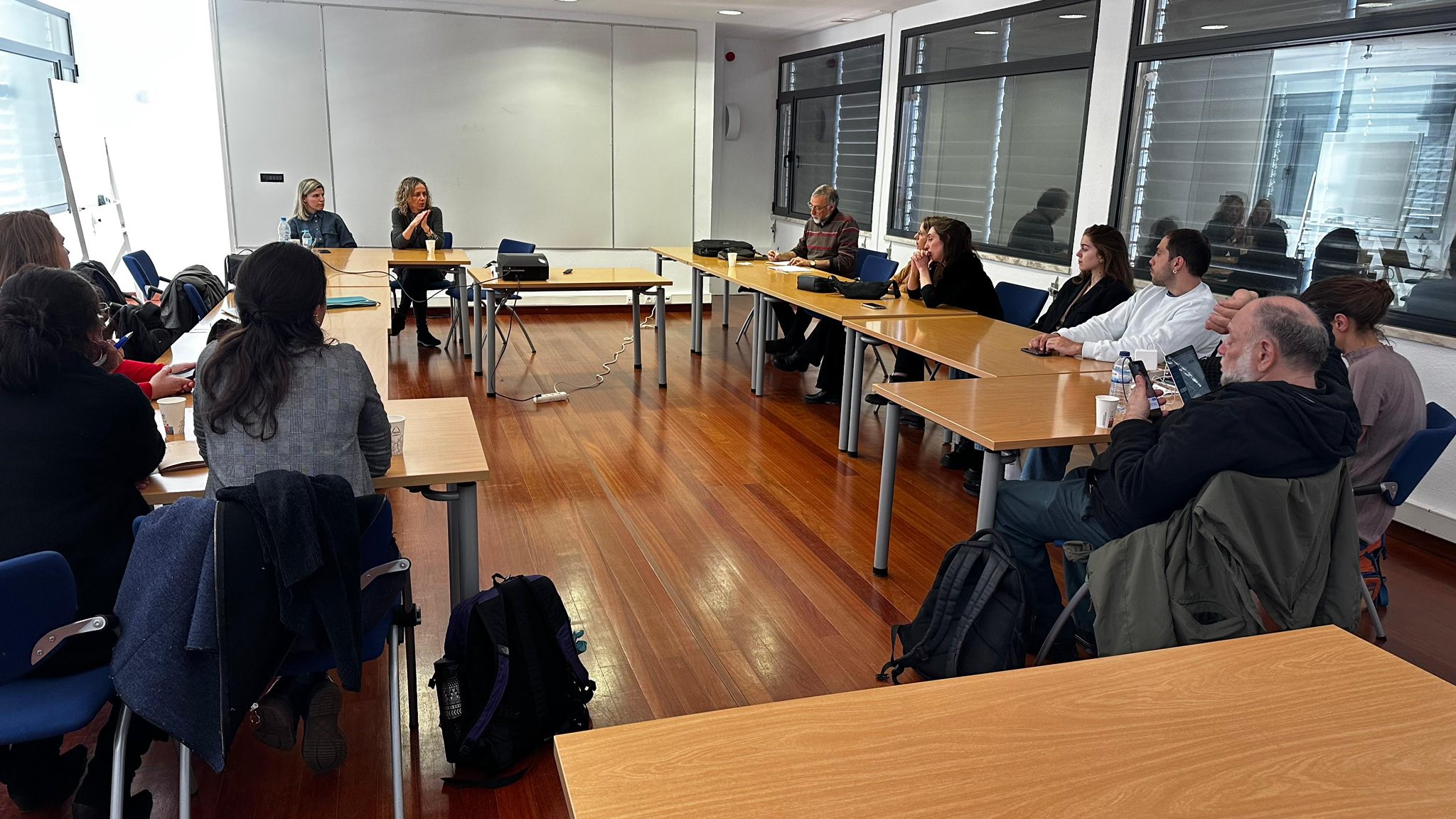
Inspiring and Empowering Museum professionals through research training
Museum staff are trained by Dr. Biljana Jokić and Ivana Luković from the Center for Applied Music (CAM) in coordinating the research process.
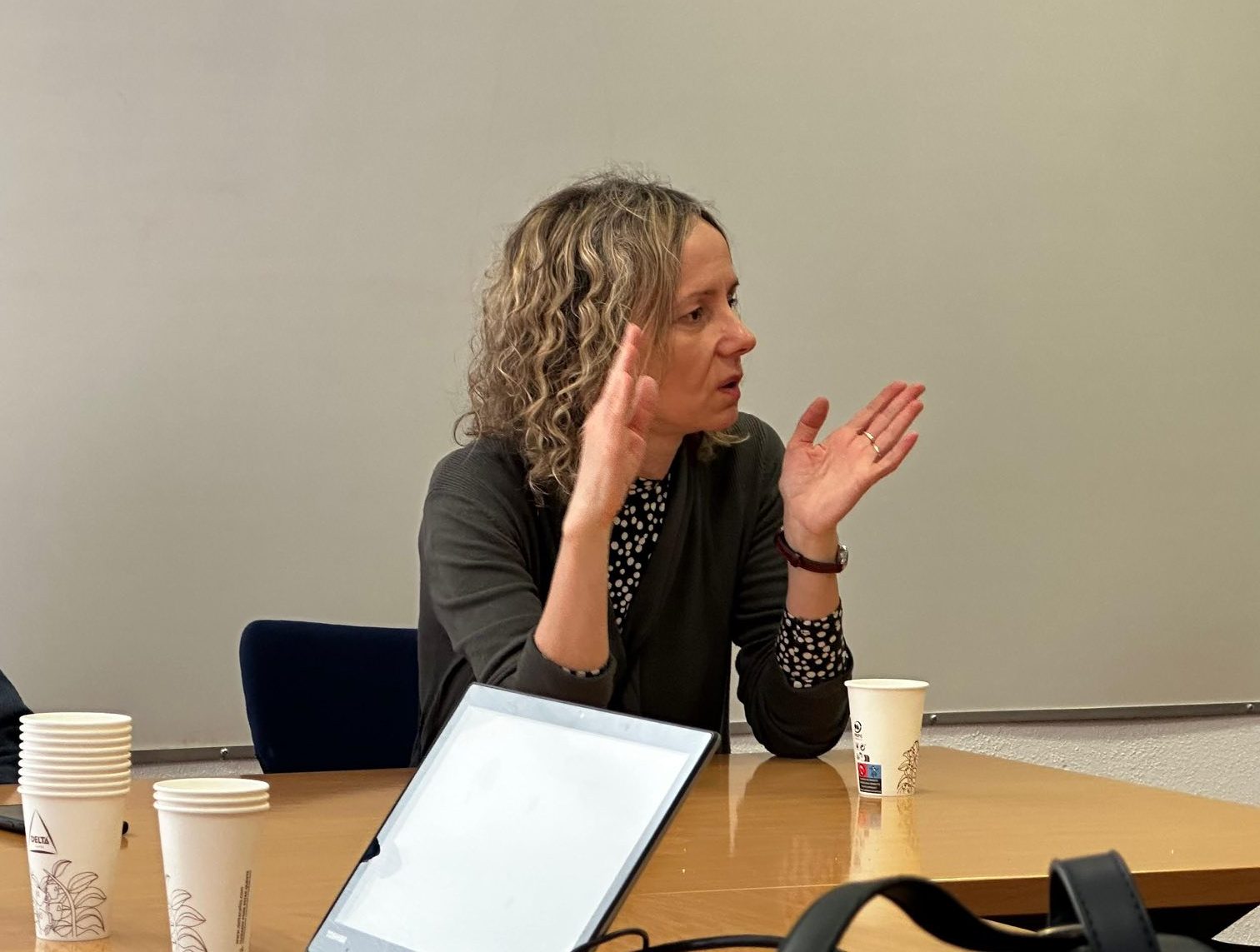
Meet Our Experienced and Passionate Instructors
The training includes technical procedures for data collection (QR tools, online forms, Stroop tests, time measurement) and participant communication methods
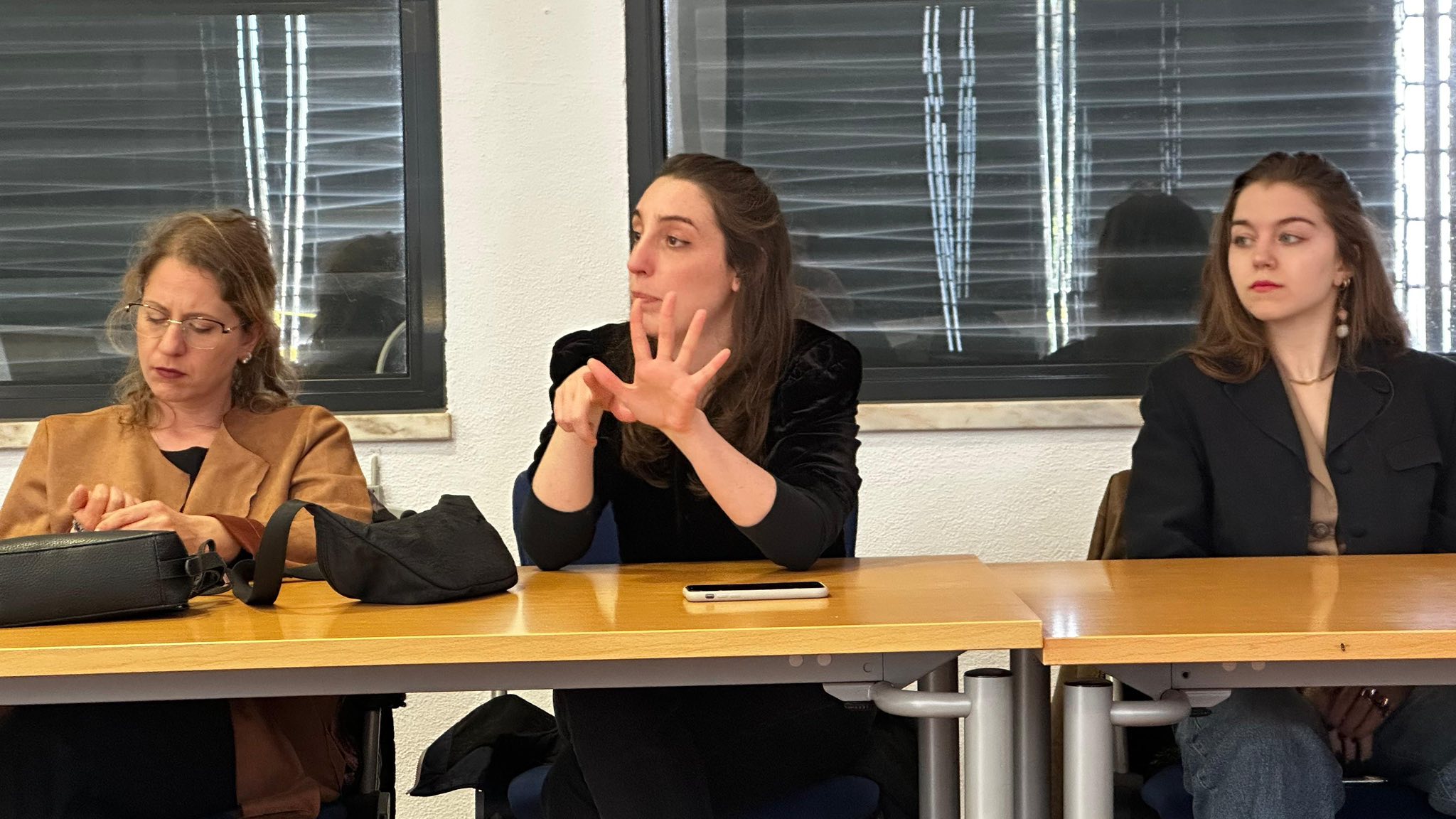
Museums are responsible for:
- Installing QR code posters for digital questionnaires
- Providing tablets for cognitive testing
- Measuring visitors’ time in exhibitions
- Coordinating with research partners and CMBs

Previous Pilot Study: EFFECTS OF APPLIED MUSIC ORIGINALLY COMPOSED FOR MUSEUMS ON VISITOR EXPERIENCE
Center for Applied Music (CAM) – Pilot Research (2021): Originally composed museum music (synomusic) significantly enhanced the visitor experience in our pilot study at the Museum of Science and Technology, Belgrade, Serbia. The music enriched emotional, cognitive, and motivational responses across all visitor groups, including visitors with visual impairments.