New style of European Heritage Engagement
International and cross country exchanging and qualitative developing communicative relations to wide different public and society .
EUROMUSE is a Creative Europe Cooperation Project.
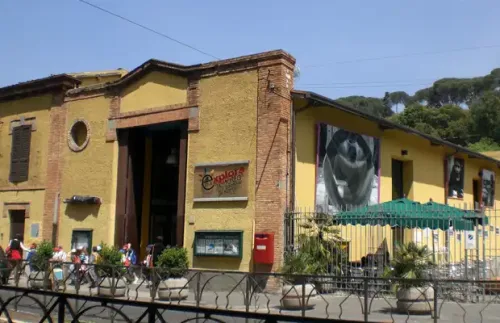
Kotsanas Museum of Ancient Greek Technology, Athens, Greece
The Museum of Ancient Greek Technology reveals the lesser-known genius of ancient Greek innovation.
The exhibition showcases over 300 functioning models of inventions—ranging from Philon’s robot-servant and Heron’s cinema to Ktesibios’s automatic clock and the Antikythera Mechanism—spanning 2000 BC to the end of antiquity.
Created by Kostas Kotsanas after 22 years of research based on ancient texts, artworks, and limited archaeological finds, it is the world’s most comprehensive and authentic reconstruction of Greek technology. Housed in Katakolo, Greece, the museum operates without public or private funding under the auspices of the Municipality of Pyrgos.
Its goal is to reveal how close ancient Greek technology came to modern engineering, introducing early versions of gears, pulleys, valves, robots, automata, and precision instruments. Interactive displays, audiovisual guides, and educational design engage visitors of all ages, demonstrating that the foundations of modern technological civilization were laid by ancient Greek inventors.
Museo Dei Bambini Scs Onlus. Rome, Italia
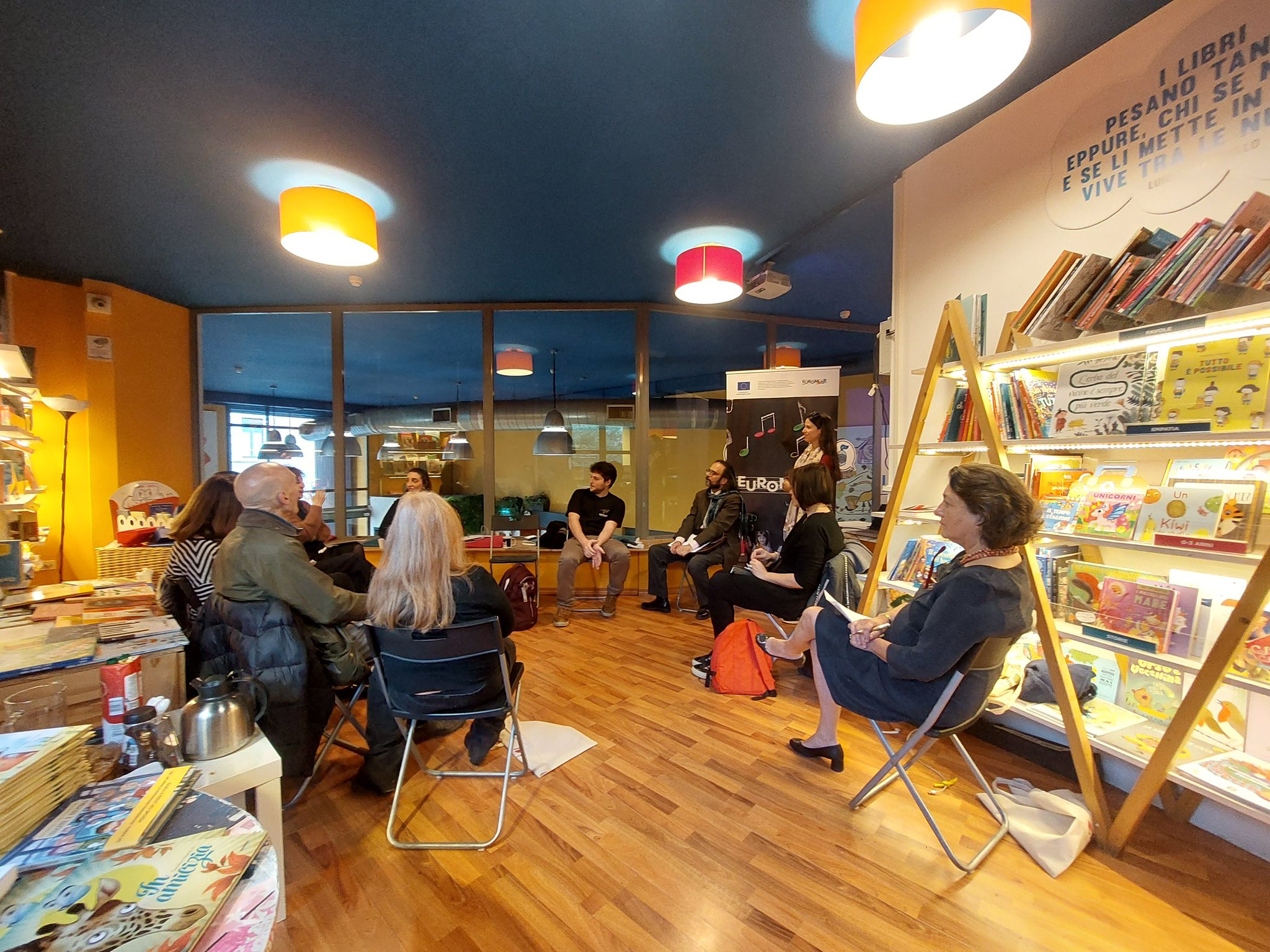
Explora, the Children’s Museum of Rome, is a cultural space where exploration and play are transformed into an experience of growth and sharing. With its 2,000 square meters of interactive installations dedicated to Science, New Technologies, Environmental Sustainability, Gender Equality, Art, and Research, Explora offers a unique and innovative learning opportunity that fosters curiosity, motivation, and discovery in children.
The experience, characterized by the methodological approach of learning by doing and the deductive method of Inquiry-Based Learning, always offers new opportunities for play and discovery because it takes place in a stimulating, fun, and innovative environment.
Explora is a place of learning, therefore also an inclusive and accessible environment: the museum visit is designed to respect children’s time and choices, recognizing, even in situations of repeated and apparently identical actions, an important component for their development.
Explora develops a series of national and international projects with local, national, and European communities, building partnerships with public and private institutions.
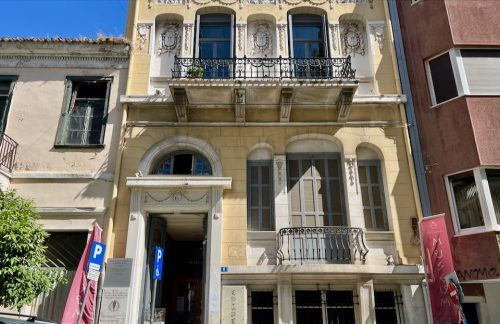
Museu De Arte Pré-Histórica, Mação, Portugal
The Museum of Prehistoric Art and Sacred Art in the Tagus Valley focuses on the origins of agriculture and art, and the relevance of gesture in the constitution of humanity, both for the formation of identities and for the projection of functional and artistic materialities.
The idea for the museum arose in 1943 following the important archaeological discovery in Porto do Concelho, through an initiative by João Calado Rodrigues and with the support of the City Council.
Following the discovery of rock engravings in the Ocreza River valley in 2000, the necessary reorganization and inventory were carried out, as well as the outlining of a new program for the museum.
The reserve currently comprises approximately 6,000 artifacts, originating from surveys and excavations (with particular emphasis on records of rock art contexts and collections of lithic industries associated with the Tagus River fluvial deposits) and isolated finds of heritage value (especially from the Bronze Age). The documentary and ethnographic collection is equally important, with particular mention of the Museum Centers dedicated to the ethnography of the Municipality of Mação.
Join Our Museum Community
Get the latest news, updates and offers from our studio delivered to your inbox.