
Artists in Museums: Creating Synomusic for European Heritage
The EUROMUSE residency programme connected young European composers with museums, collections, visitors and local communities in Rome, Athens and Mação. Through site-responsive artistic research, the composers developed original synomusic works designed specifically for museum environments.
Seven days of artistic research, listening and co-creation
The EUROMUSE residencies were conceived as a central artistic and research-based activity of the Creative Europe cooperation project. Each composer spent time inside the museum, observing the exhibitions, studying spatial atmosphere, meeting curators and museum professionals, and engaging with Community Muse Board members.
The residency process enabled composers to understand each museum not only as a collection of objects, but also as a living space shaped by movement, memory, attention, visitor behaviour and acoustic experience.
The outcome of this process is a set of original musical works composed for specific museum exhibitions and audiences — music that becomes part of the interpretative, emotional and spatial layer of the museum visit.
Residency focus
- Research of museum collections, narratives and exhibition spaces
- Observation of visitor movement, attention and atmosphere
- Meetings with curators, museum professionals and local communities
- Community Muse Board feedback and participatory co-creation
- Development of original synomusic compositions for museum use
Three museums, three cultural contexts, six musical responses
Each residency was shaped by the identity of the host museum, its exhibition environment, its audience profile and its local cultural context.
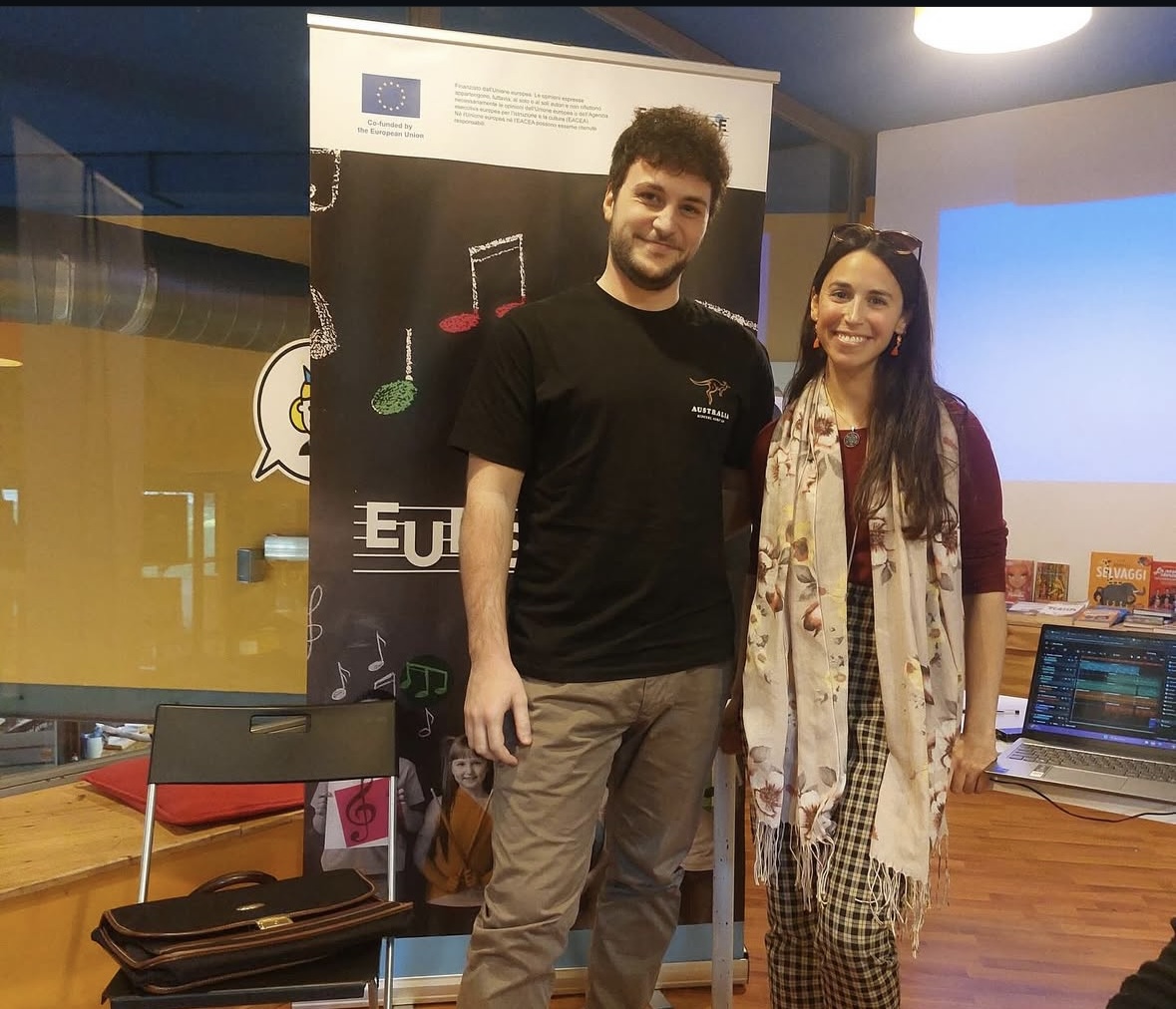
Explora – Il Museo dei Bambini di Roma
At Explora, the residency focused on the dynamics of a children’s museum: movement, play, attention, curiosity and the specific acoustic atmosphere of a lively educational environment.
- Maia Steinberg — Netherlands / Uruguay
- John Konsolakis — Greece
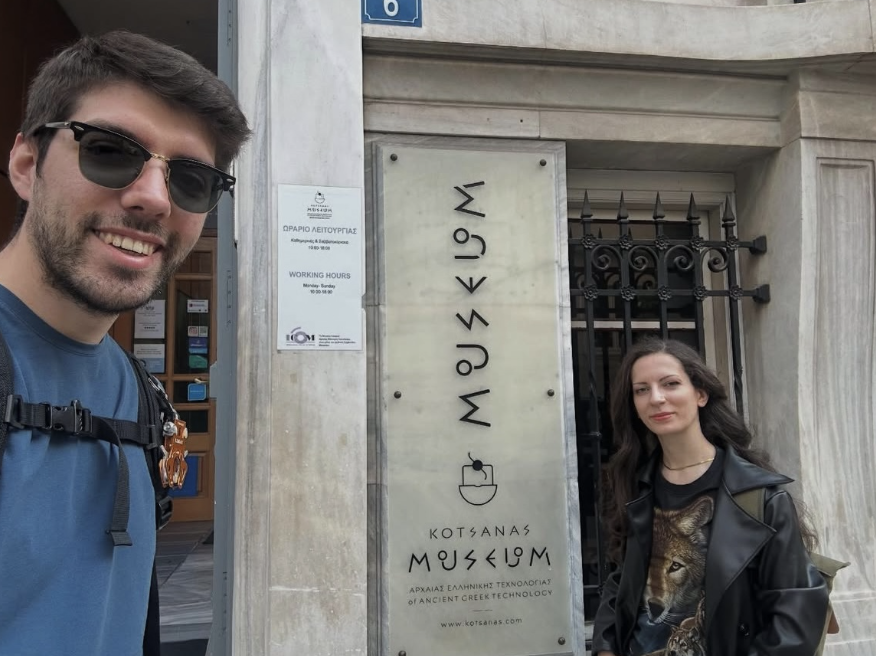
Kotsanas Museum of Ancient Greek Technology
In Athens, composers explored ancient Greek inventions, mechanical imagination and the relationship between technological heritage, rhythm, movement and sound.
- Arianna Ferrara Gennari — Italy
- Jorge Ramos — Portugal
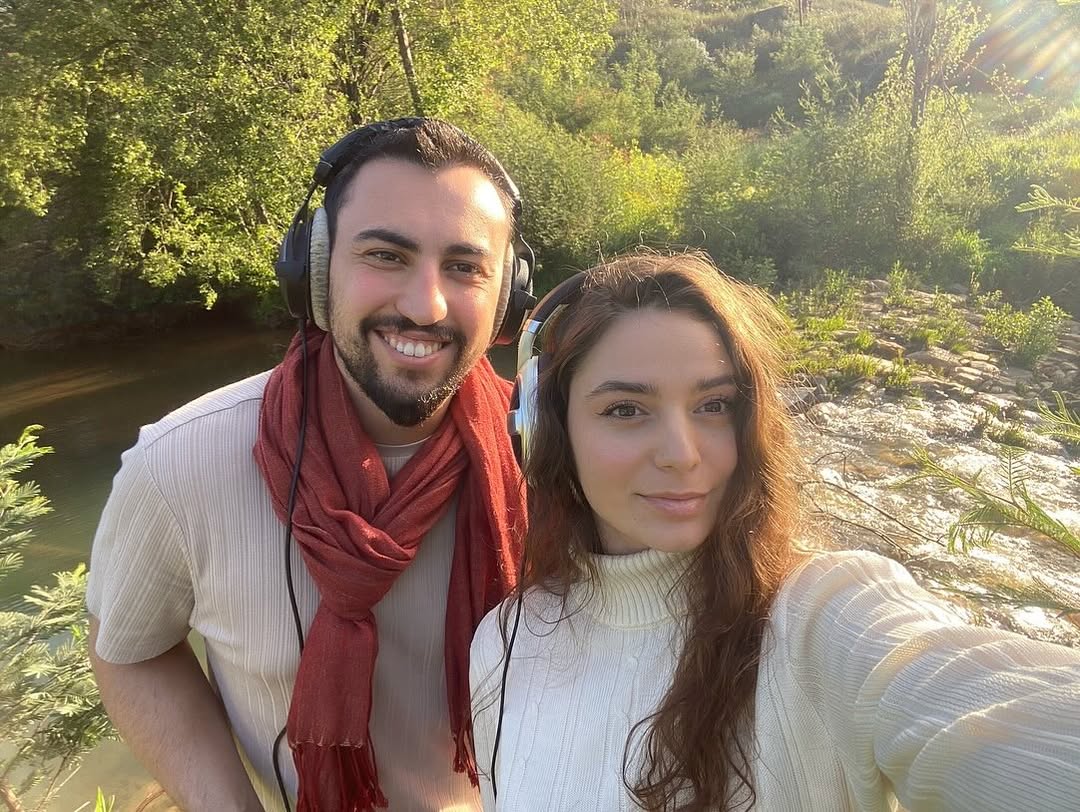
Museu de Arte Pré-Histórica e do Sagrado no Vale do Tejo
In Mação, the residency was connected with prehistoric heritage, landscape, archaeology, ritual imagination and the deep cultural memory of the Tagus Valley.
- Nataša Jevtić — Serbia
- Rafaelos Christofi — Cyprus / Spain
From museum observation to original synomusic
The residency process followed a structured artistic and research methodology designed to connect museum interpretation, visitor experience and musical composition.
Observation
Composers observed exhibitions, spatial movement, visitor behaviour and museum atmosphere.
Context research
Each composer studied the museum’s collections, stories, curatorial logic and local heritage.
Community exchange
Community Muse Boards provided impressions, expectations and feedback from the visitor perspective.
Synocomposition
Musical ideas were developed into site-responsive synomusic works for specific museum spaces.
Implementation
The compositions were prepared for museum presentation, audience research and online concert formats.
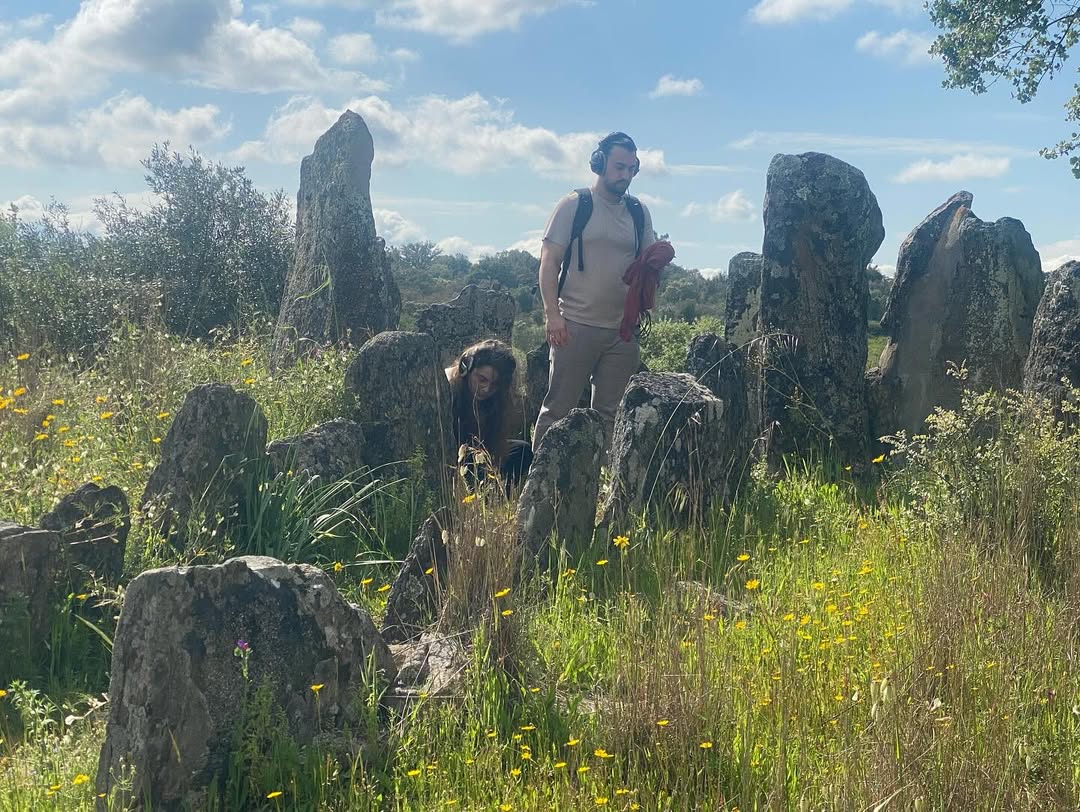
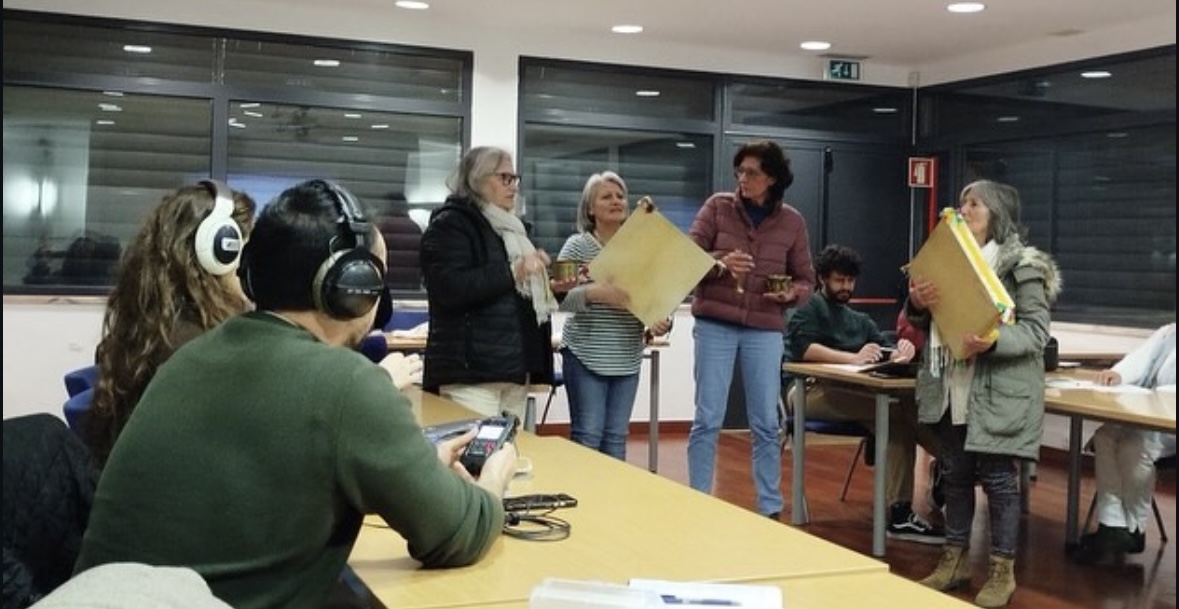
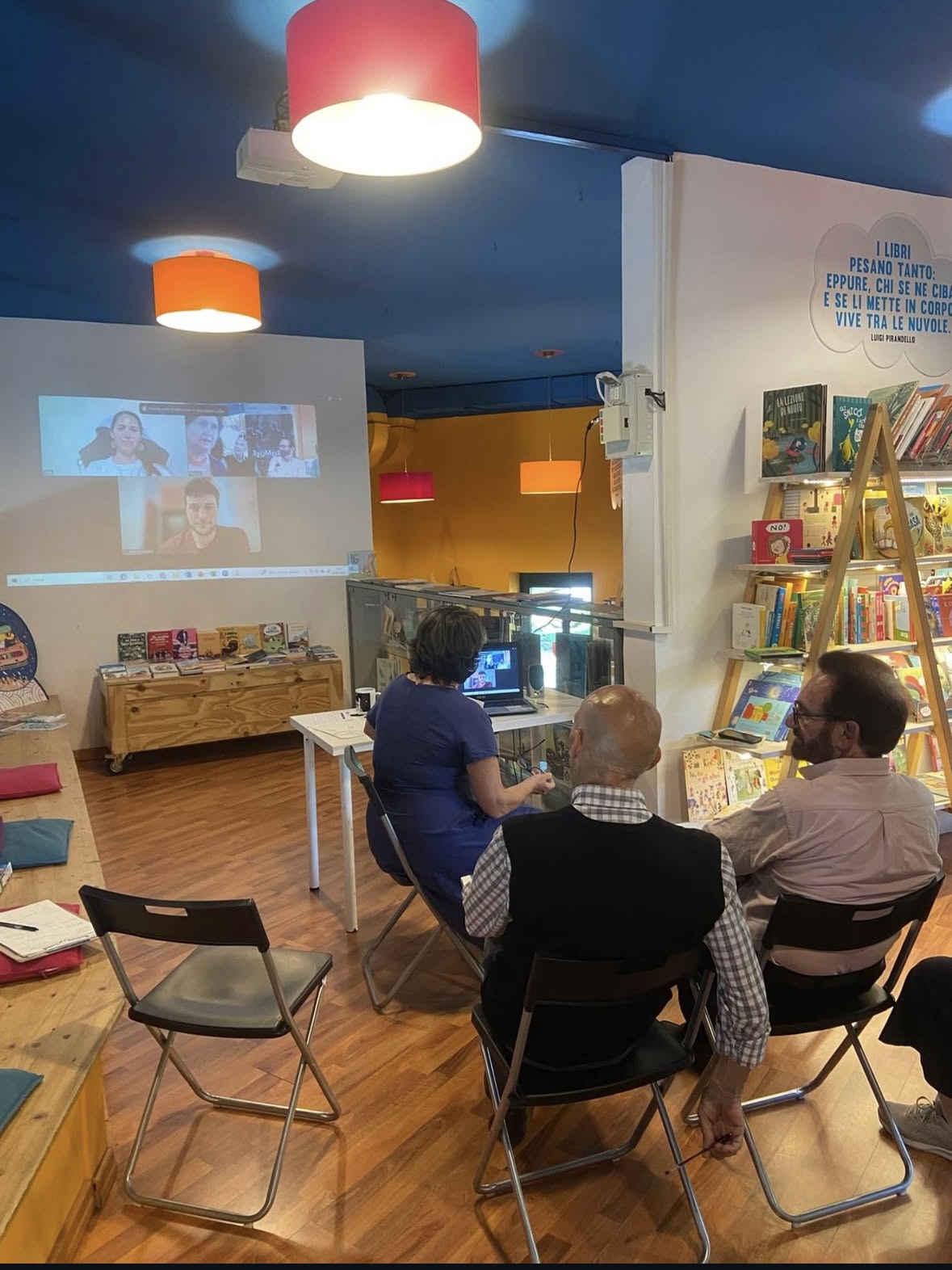
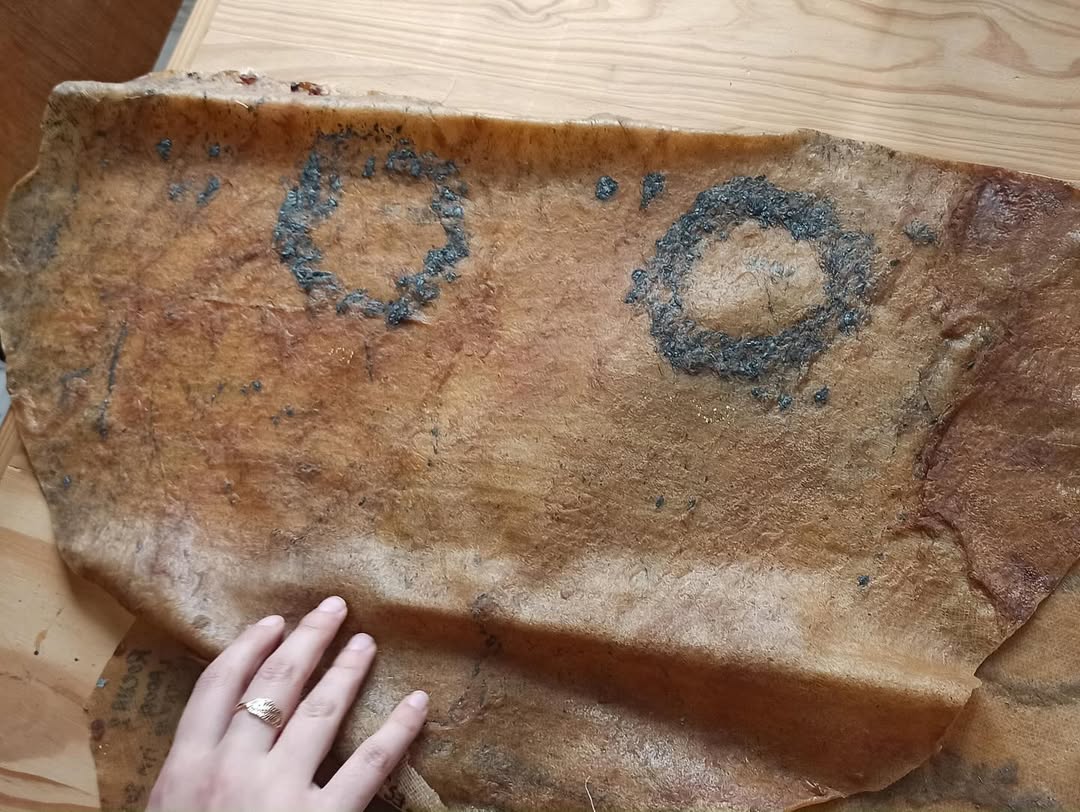
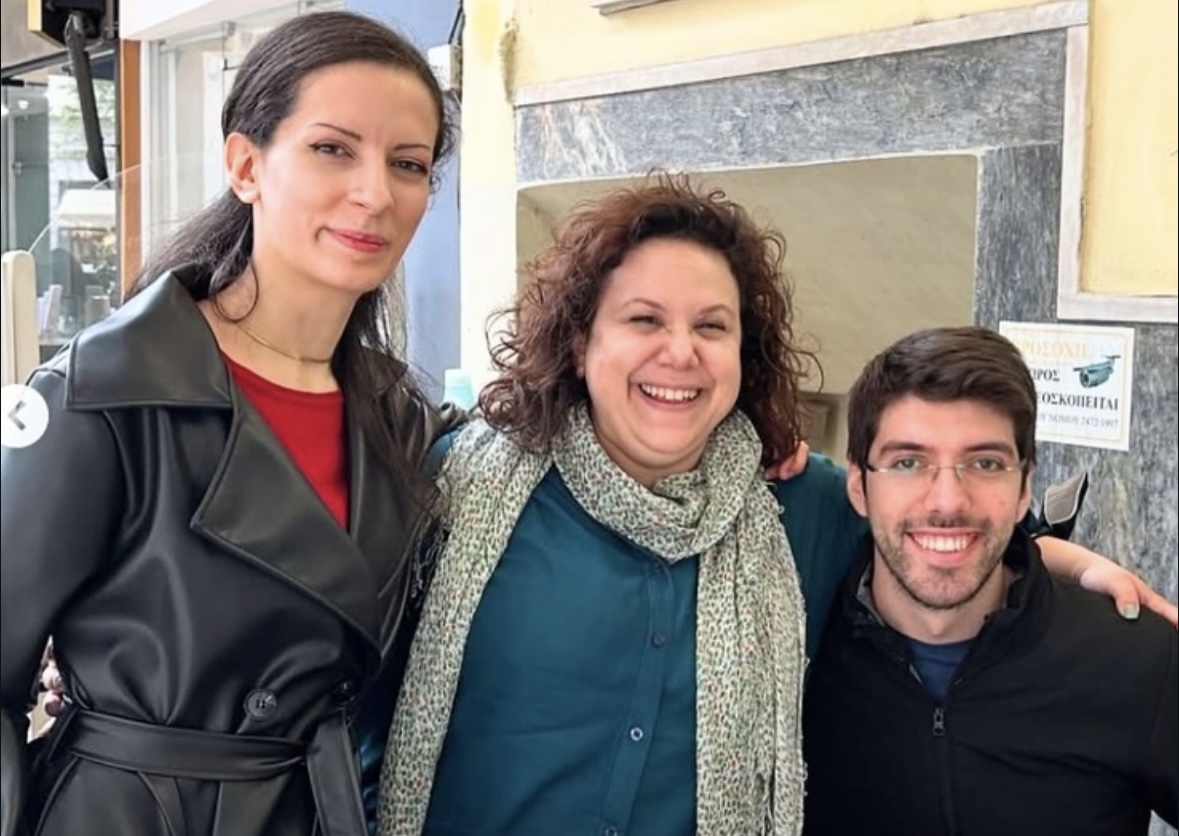
Moments from the creative process
Selected photographs from Rome, Athens and Mação residencies.
Residency outcomes and project impact
The residencies created the artistic foundation for the EUROMUSE music production, audience research and public presentation activities.
Original music for museums
Six new synomusic works were developed for three museum environments, each responding to the collections, spatial identity and audience experience of the host institution.
Participatory co-creation
Community Muse Boards supported the creative process by offering visitor-oriented feedback, strengthening the relationship between composers, museums and local communities.
Audience research framework
The residency outputs became part of the wider EUROMUSE research process examining how original music can affect museum attention, memory, emotion, engagement and time spent in exhibition spaces.
European cultural exchange
The programme connected young composers, museum professionals, researchers and cultural organisations across Serbia, Italy, Greece, Portugal and other European contexts.
“EUROMUSE residencies transformed museums into living laboratories for sound, memory, visitor experience and artistic research.”
Through synomusic, museum spaces become more than places of display — they become spaces of listening, participation and emotional interpretation.