
Methodology
EUROMUSE used a mixed-methods approach to observe, measure and understand how Synomusic influences visitor experience across different museum contexts.
Quantitative Research
In quantitative research we wanted to observe, measure and compare multiple indicators of visitors’ experience.
- We administered exit surveys to the total of 1,337 visitors in silent and music test conditions in the three museums, including 474 parents of children in Museo dei Bambini.
- We administered cognitive tasks to 45 children aged 3 to 15 in Museo dei Bambini.
Qualitative Research
With qualitative methods we aimed to capture the rich processes, the creation of meaning and collaboration in different museum target groups.
- We interviewed 4 curators and 6 composers to explore creative decision-making and institutional perspectives in the process of creating compositions.
- We had 32 dedicated museum visitors organised in Community Muse Boards (CMB), writing diaries and taking part in group discussions to capture the audience’s input on creating compositions and participatory dynamics.
- We interviewed the group of 23 blind and visually impaired museum visitors to better understand their experience, accessibility and multisensory engagement in the context of the EUROMUSE project.
Contrasting Environments
EUROMUSE explored the Synomusic effects in contrasting environments to capture both similarities and context-specific effects of Synomusic.
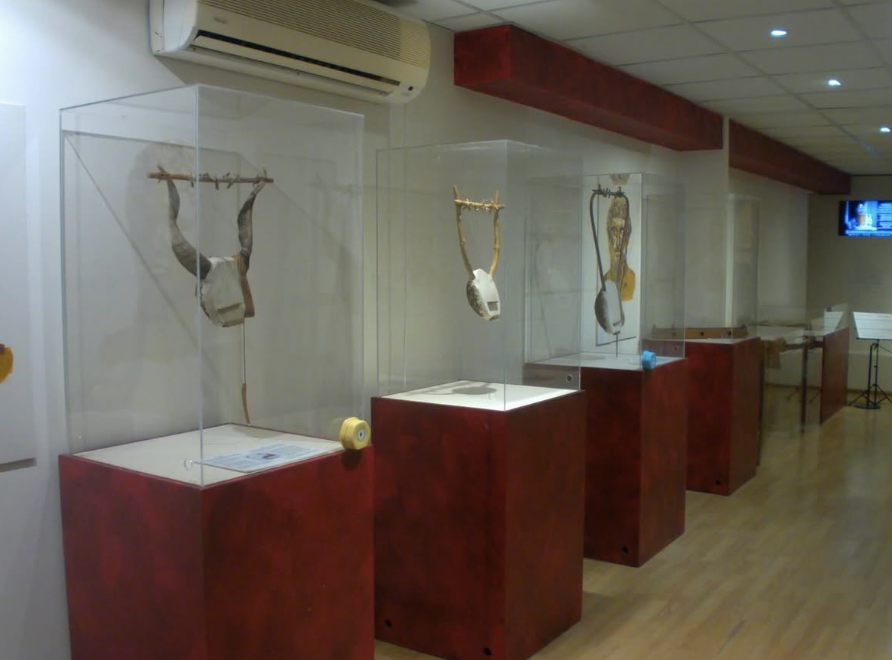
Kotsanas Museum of Ancient Greek Technology, Athens
Ancient technology museum, demonstrations and interactive narrative, large city context.

Museu de Arte Pré-Histórica e do Sagrado do Vale do Tejo, Município de Mação
Heritage/archaeology, reflective pacing, smaller town context.
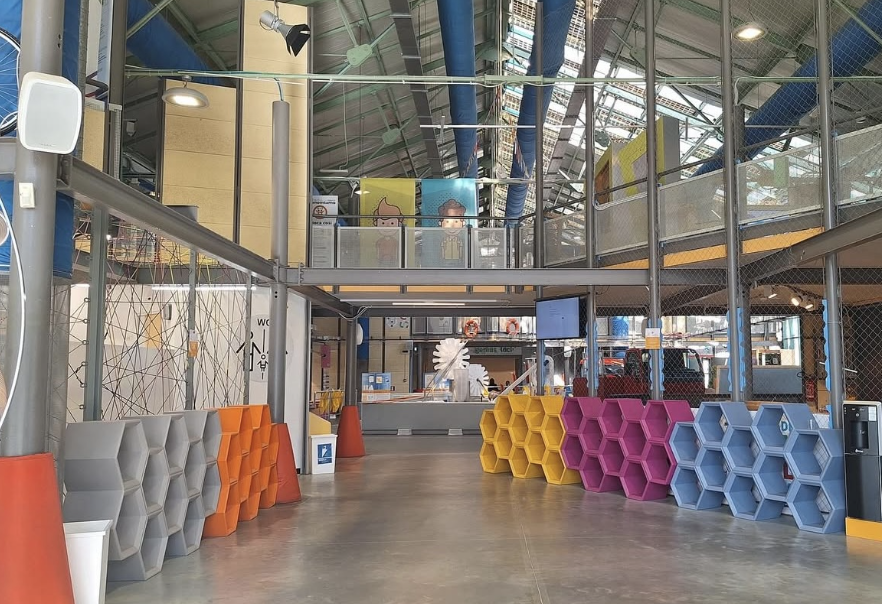
Explora! Museo dei Bambini, Rome
Children’s museum, high activity and layered noise, large city context.