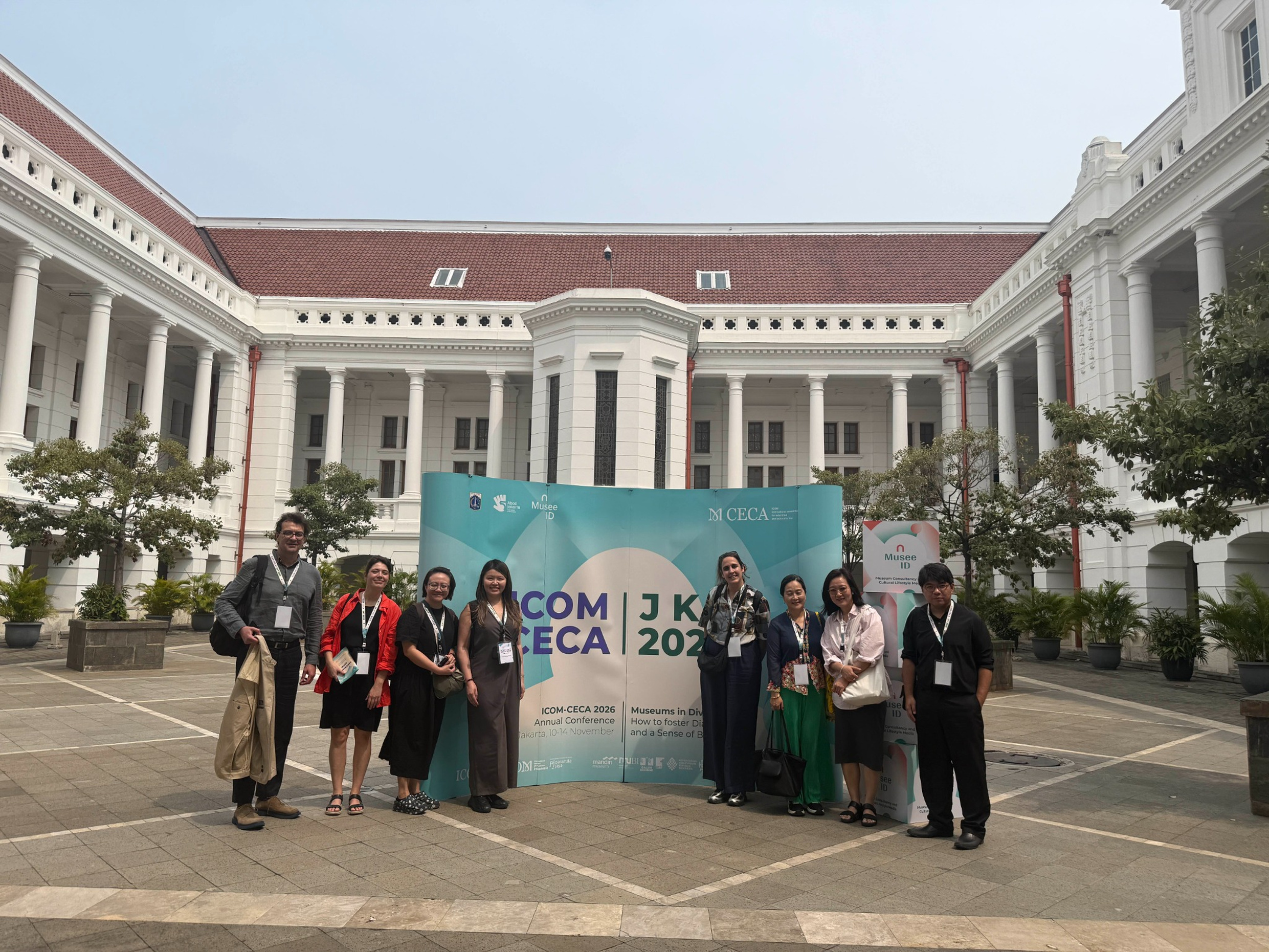
 Jakarta, Indonesia | 10–14 November 2026
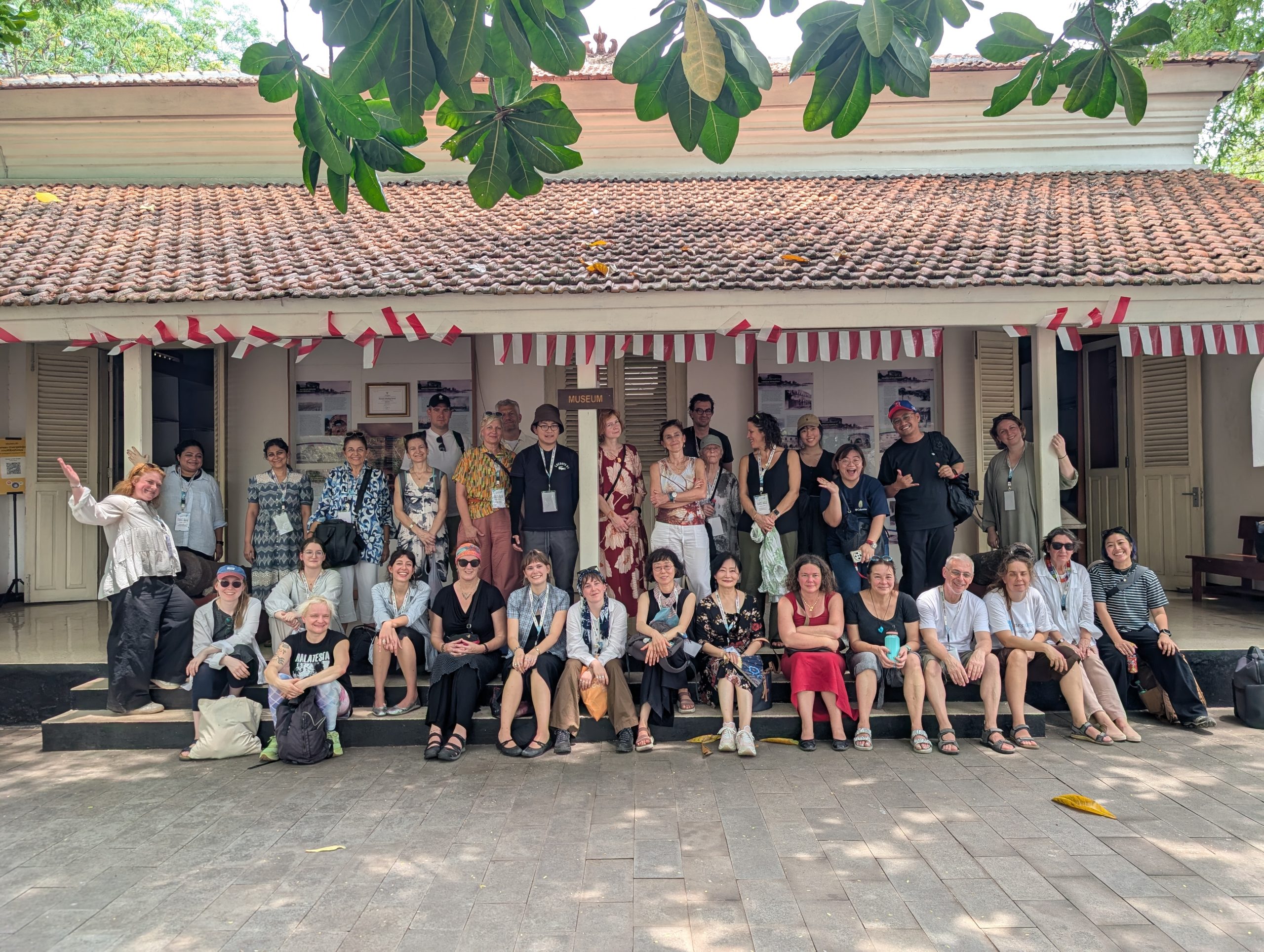
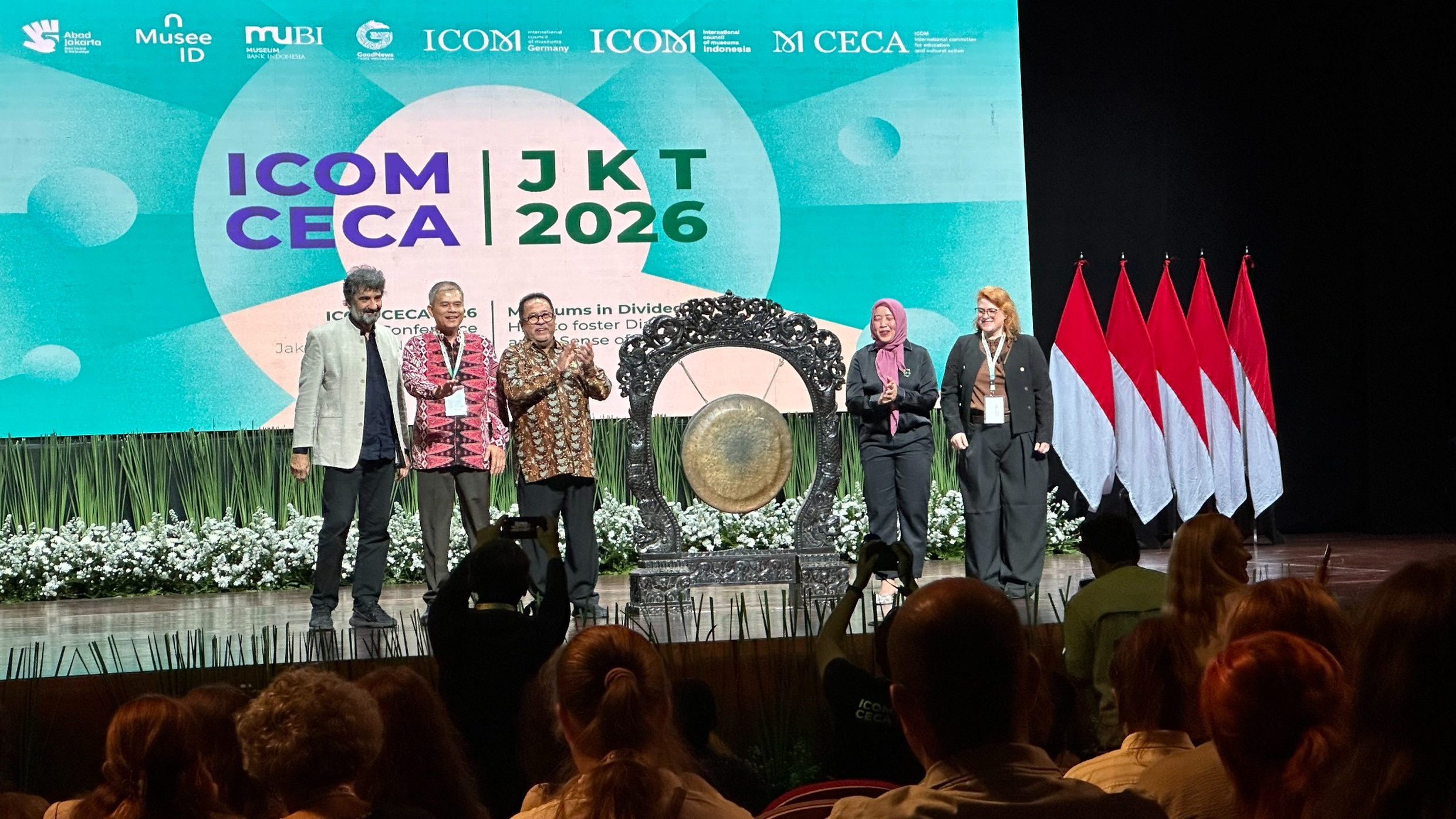
The EUROMUSE project and its research outcomes were presented at the ICOM CECA Annual Conference 2026 in Jakarta, Indonesia, bringing the European initiative into an international discussion on museum education, cultural participation and the role of museums in fostering dialogue and belonging.
Organised by the International Council of Museums’ Committee for Education and Cultural Action (ICOM CECA), the conference was held under the theme “Museums in Divided Times: How to Foster Dialogue, Caring and a Sense of Belonging?” and brought together approximately 150 museum professionals, educators and researchers from 35 countries.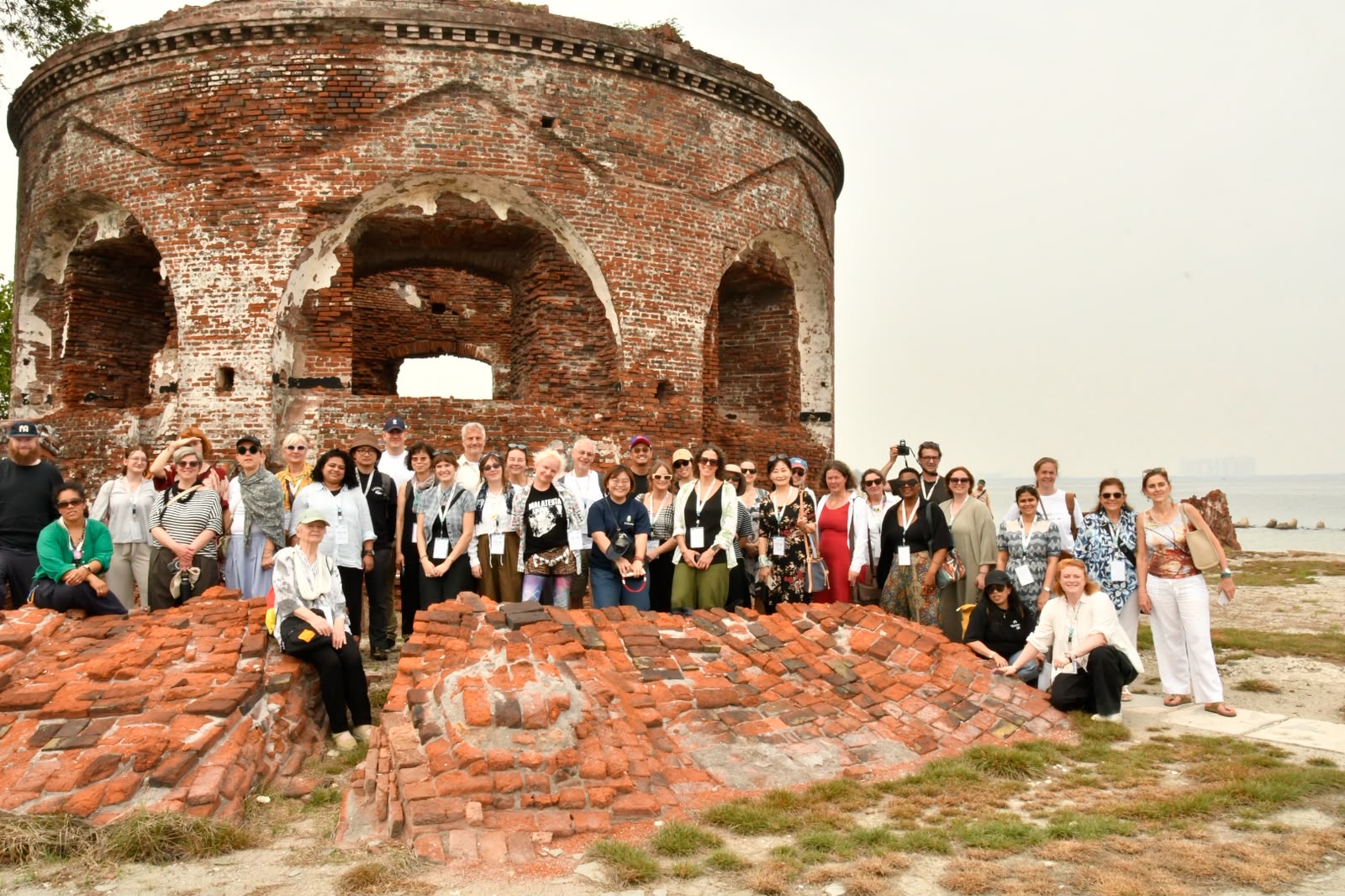
EUROMUSE at ICOM CECA 2026: Music and Museum Audiences
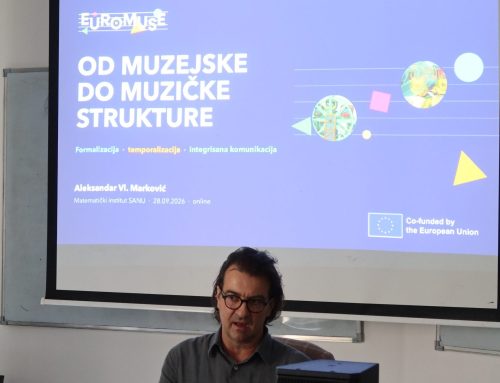
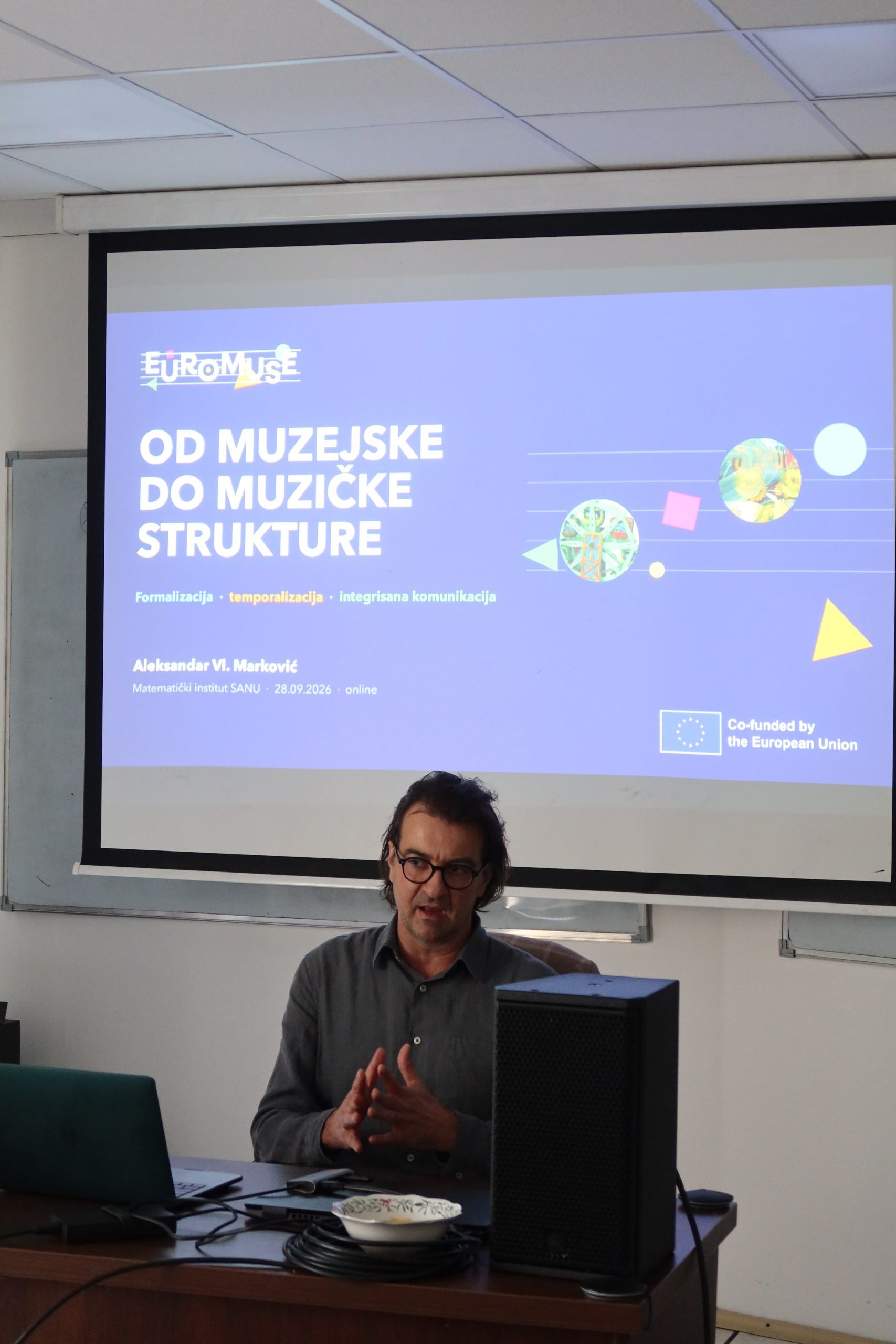
On 12 November, at Museum Bahari (Maritime Museum), Aleksandar Vl. Marković, EUROMUSE project coordinator and founder of the Centre for Applied Music (CAM), delivered a presentation entitled “Listening as Belonging: Applied Music for Museums, Audience Research, and Inclusive Museum Education in the EUROMUSE Project.”
The presentation explored how original music composed specifically for museum exhibitions can contribute to interpretation, visitor experience, participation and accessibility.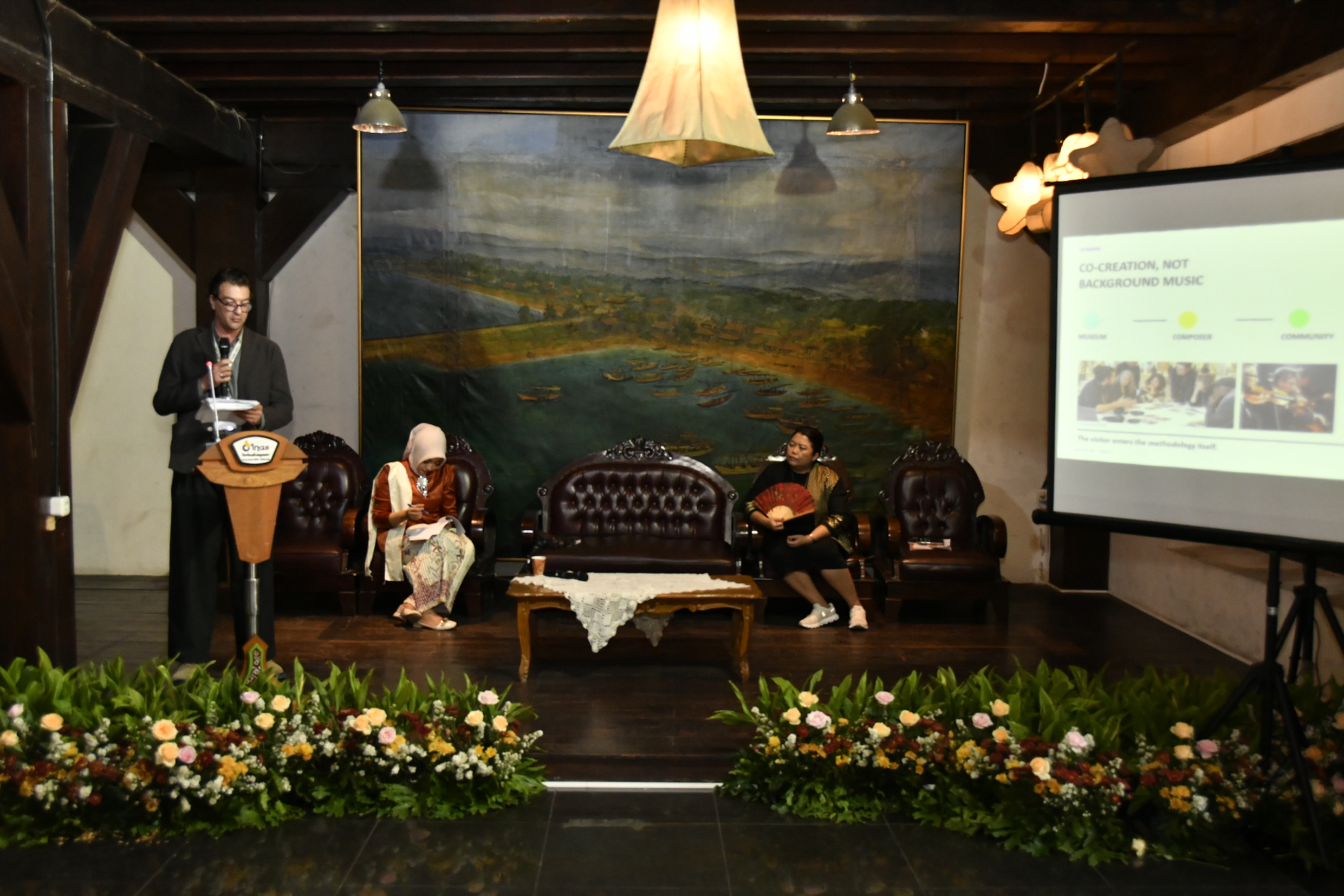
From Original Music to Audience Research
Co-funded by the European Union through the Creative Europe programme and coordinated by EARTH PR, EUROMUSE was implemented between November 2024 and April 2026 in cooperation with museums and cultural partners across Europe.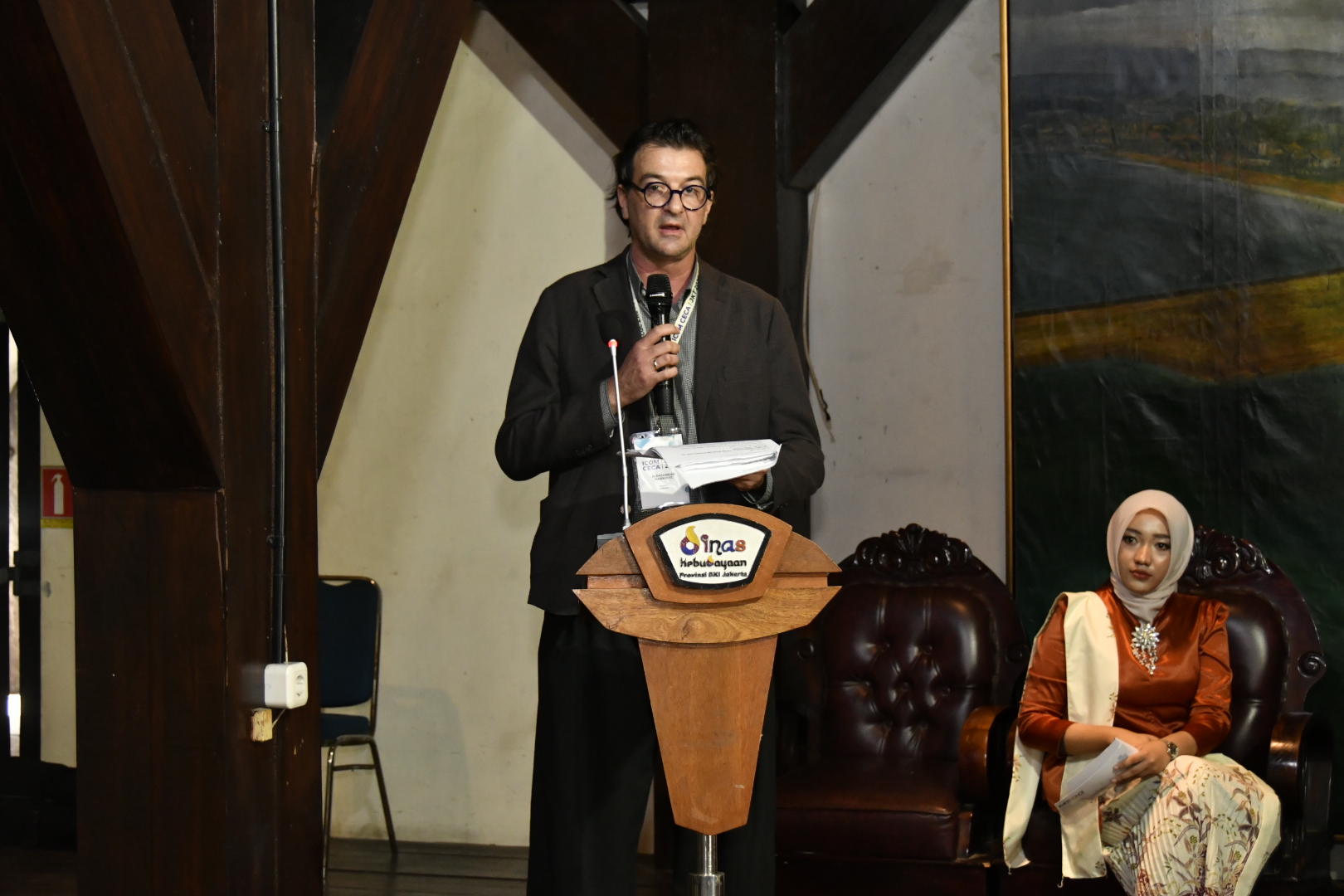
The project developed six original museum-specific musical compositions through collaborations involving composers, curators, researchers and local communities. Its activities took place in three contrasting museum environments: Explora Children’s Museum in Rome, the Kotsanas Museum of Ancient Greek Technology in Athens, and the Museum of Prehistoric and Sacred Art of the Tagus Valley in Mação, Portugal.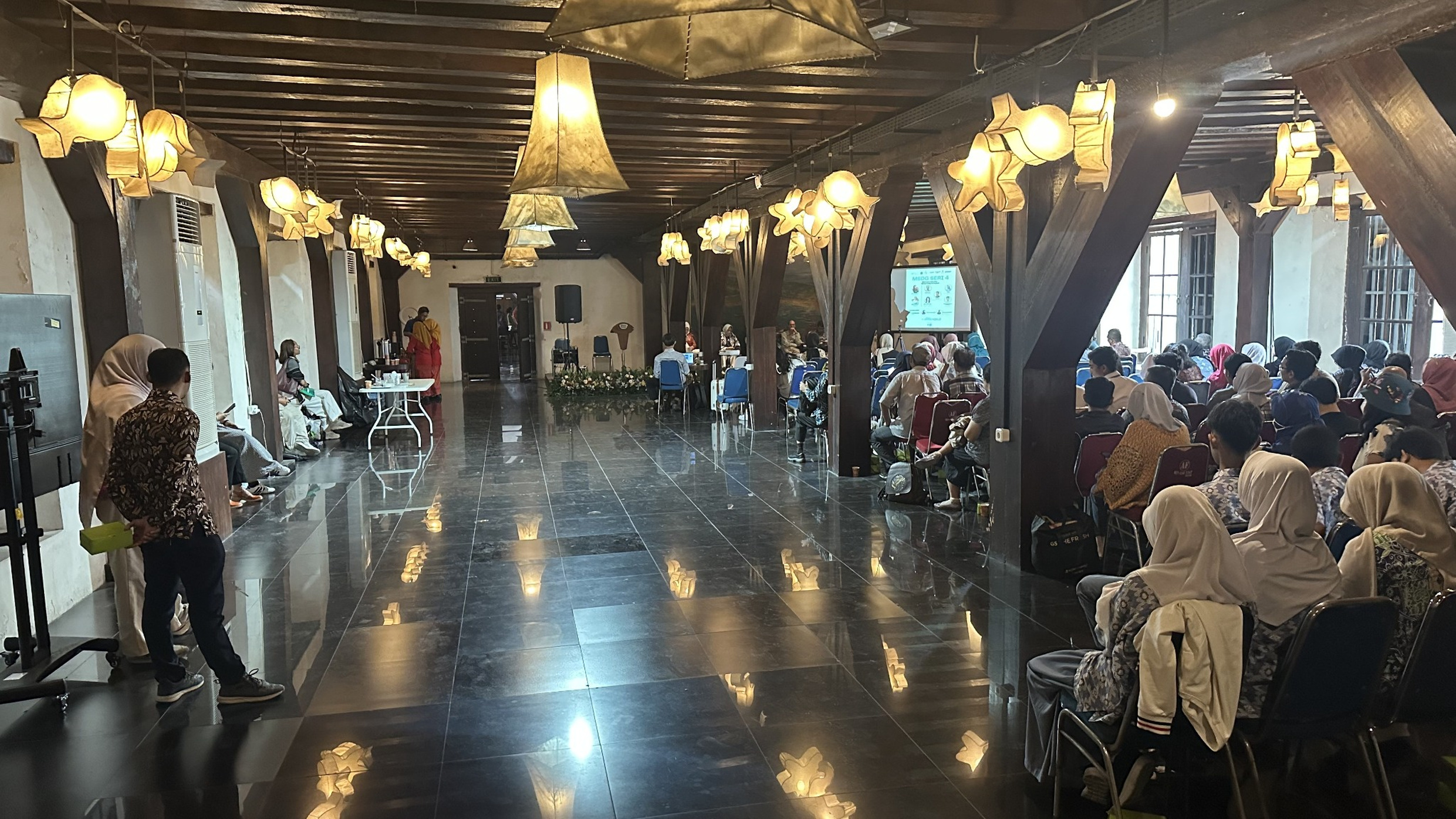
At the heart of the initiative is the SYNOMUSIC® methodology, developed by CAM, which connects musical composition with the visual, spatial and interpretative characteristics of museum exhibitions.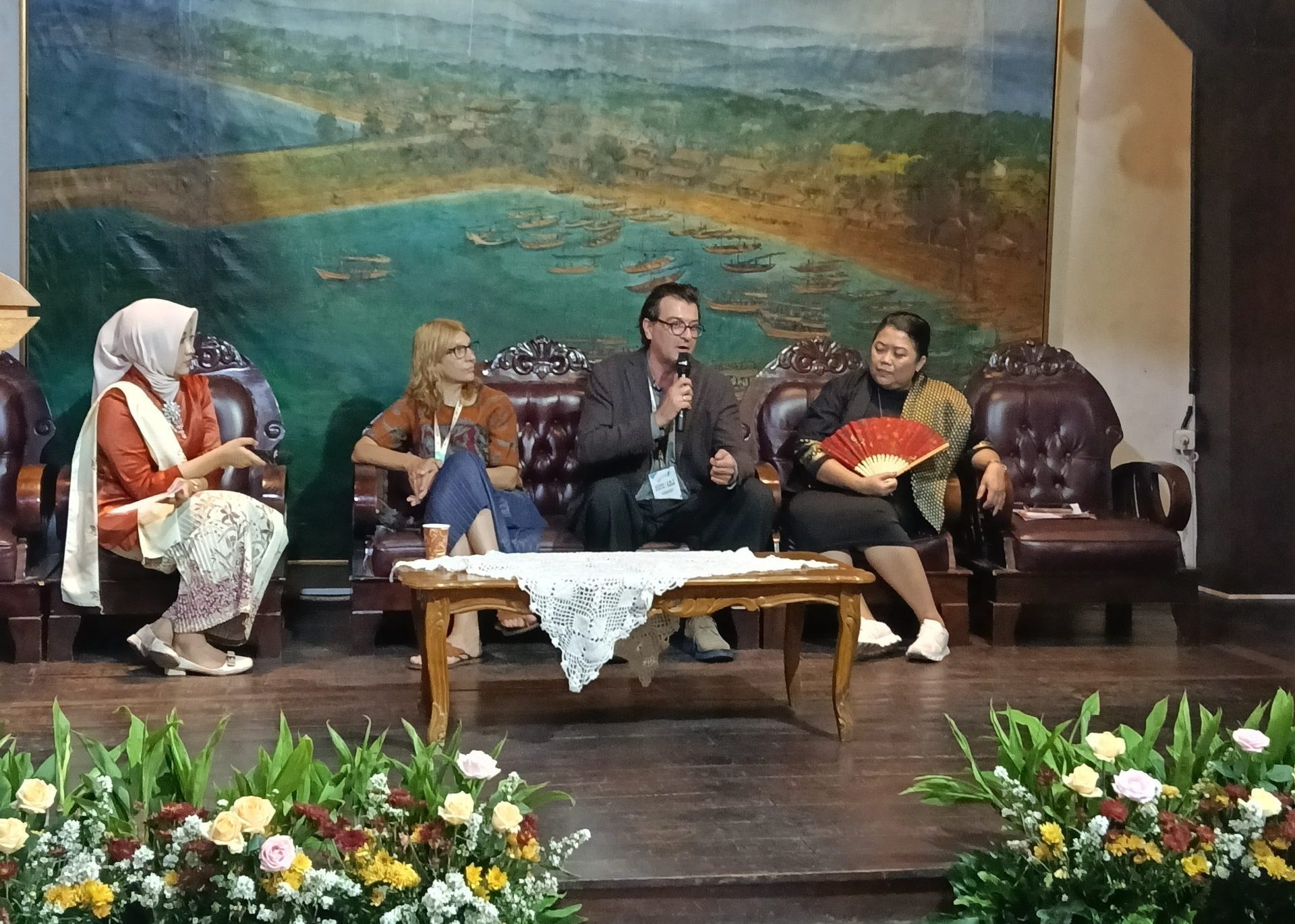
EUROMUSE also introduced Community Muse Boards (CMBs), enabling visitors to participate in the development and evaluation of museum-specific musical experiences.
The research programme included surveys with 1,337 museum visitors, alongside interviews, participatory activities, accessibility research and cognitive tasks involving children.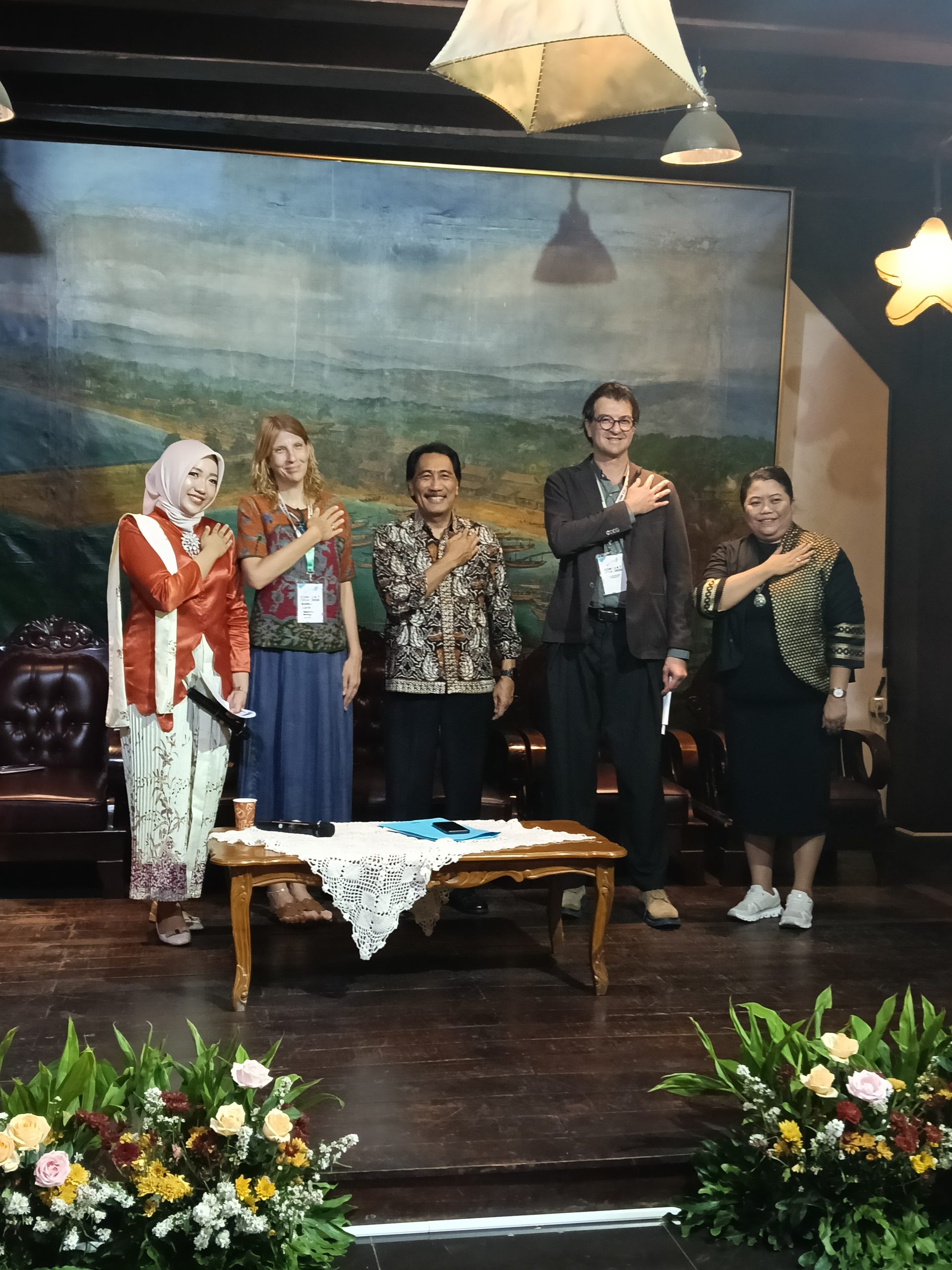
Findings highlighted that the role of music varies across museum contexts. Rather than suggesting a universal effect, the research emphasised the importance of exhibition content, spatial and acoustic conditions, visitor characteristics and participatory development.
Continuing the International Dialogue
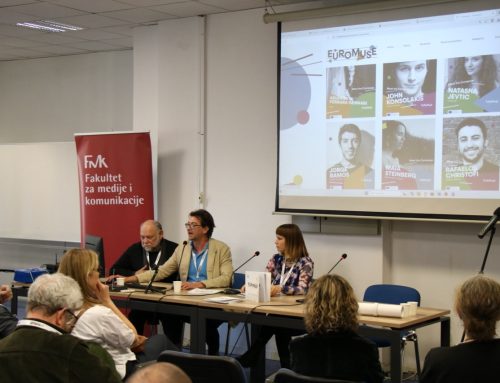
The presentation in Jakarta offered an opportunity to share EUROMUSE results with museum professionals from different cultural and institutional backgrounds and to discuss new possibilities for applying original music and audience research in museum education.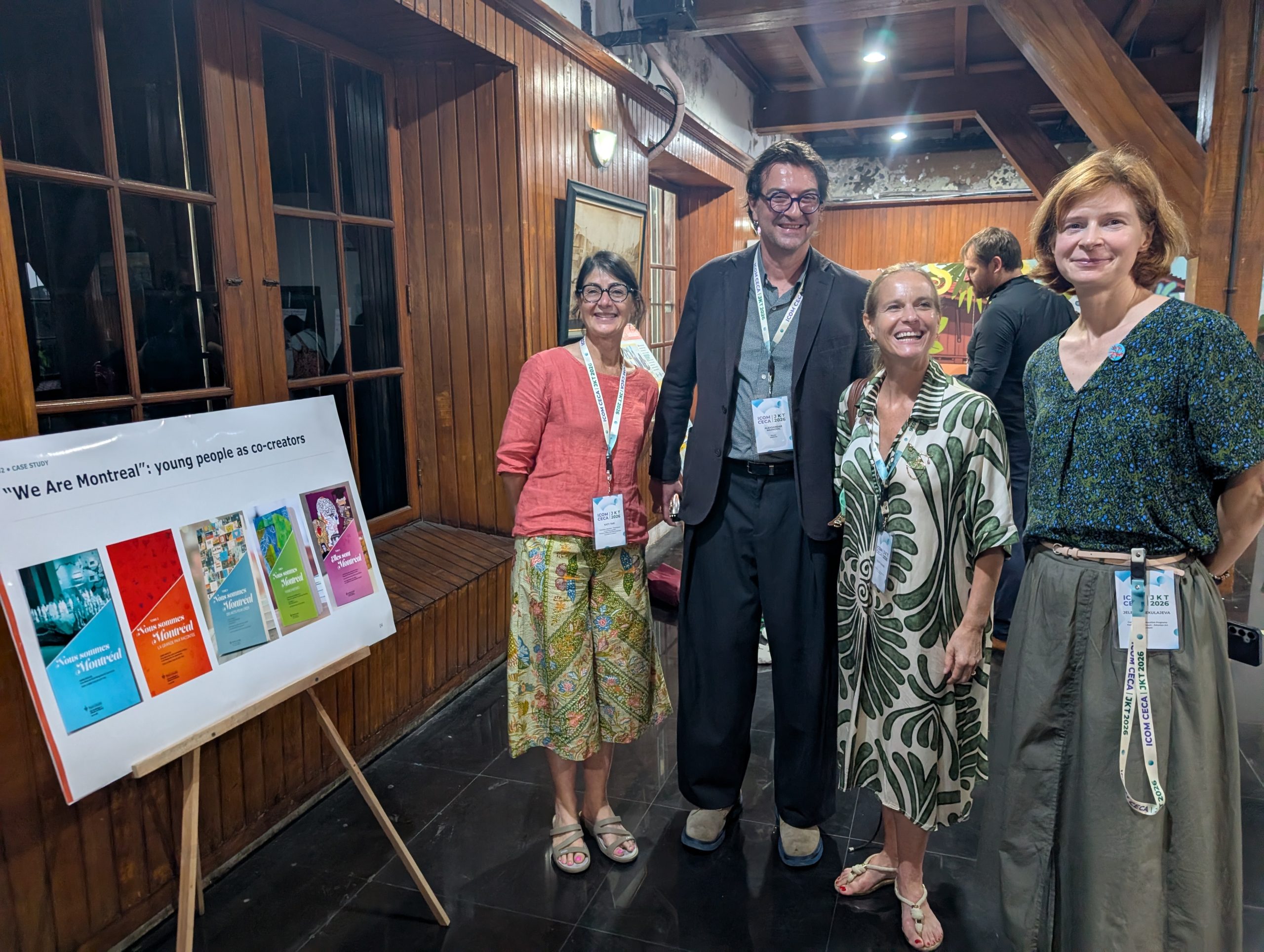
Conversations during the conference opened perspectives for further professional exchange and potential cooperation beyond Europe, particularly in the fields of music-based interpretation, participatory museum practice and inclusive visitor experiences.
Although the EU-funded project period concluded in April 2026, its methodological, research and artistic outcomes continue to inform new initiatives and international collaboration.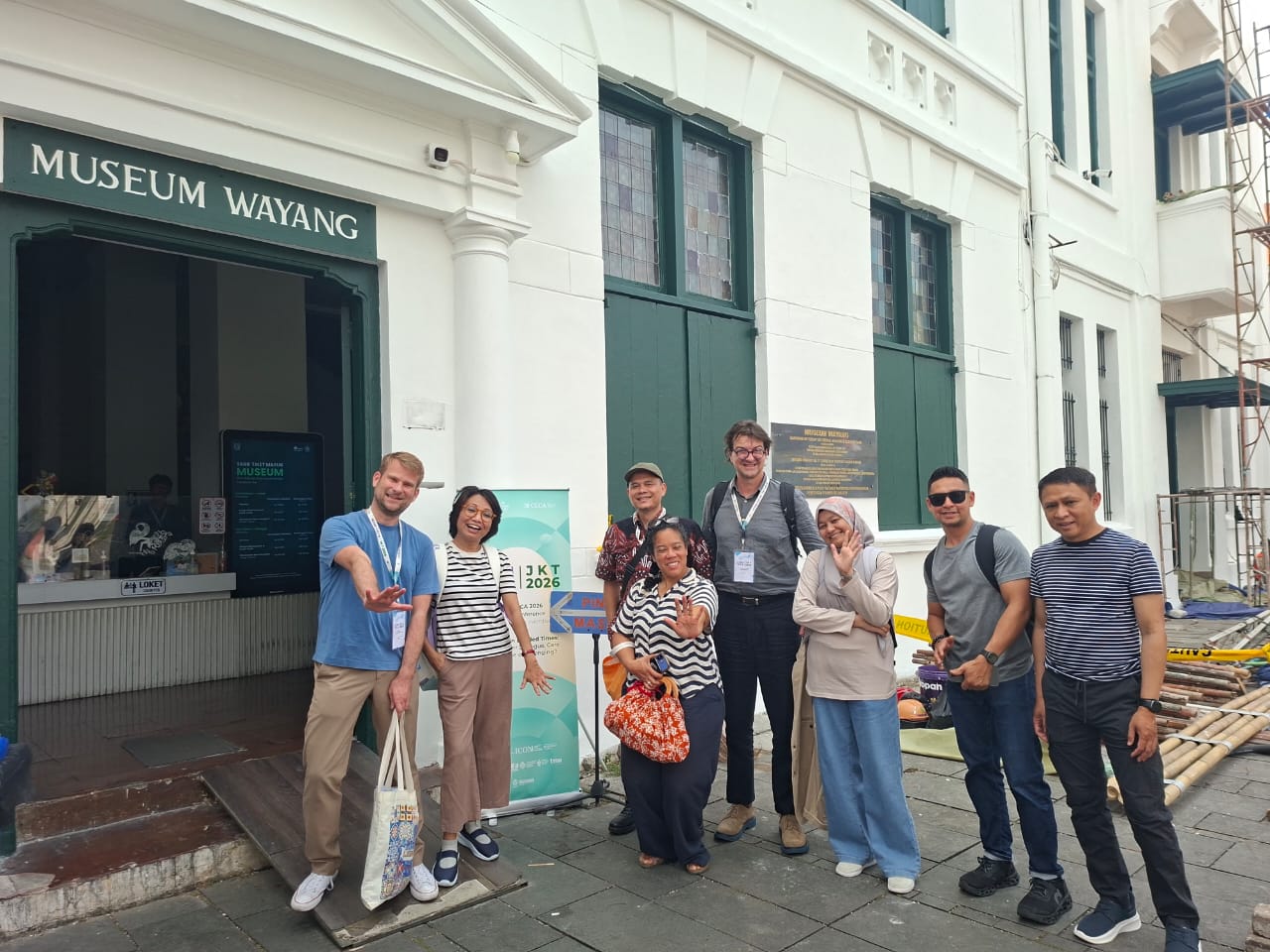
Explore the research: https://euromuse.eu/euromuse-research-full-summary/
Project website: https://euromuse.eu/
The EUROMUSE project was co-funded by the European Union through Creative Europe. The Ministry of Culture of the Republic of Serbia, the Centre for Applied Music, and EARTH PR supported participation in the ICOM CECA Jakarta conference.